Name: Khalil
Region: Paktia Province
My name is Khalil, from Paktia province. I graduated in Civil Engineering from Kabul Polytechnic University. During the Republic era, alongside my university studies, I worked as a government employee under a contract that eventually ended.
Afghanistan, in every corner, is in dire need of progress and development. I frequently travel to Paktia. After the Taliban took over, when I returned to my hometown, local Taliban members mocked my father, saying, “Your uncles’ time is over—now it’s our turn,” referring to the fact that my mother is of Tajik ethnicity. This reflects how the Taliban are sowing division and discrimination, aiming to radicalize the new generation.
Paktia, the birthplace of Sirajuddin Haqqani, has suffered greatly under Taliban control. Girls have been barred from education, and women are prohibited from working. This is despite the fact that, over the past 20 years, international organizations invested heavily in education in Paktia to help shift public attitudes toward recognizing women’s right to education and employment. Just as these views were beginning to change, the Taliban returned, and we were pushed back to square one.
I don’t know whether the Taliban will eventually leave, but I can say with certainty that their presence has inflicted deep damage on the freedoms of the Afghan people. Even if they are removed from power, it will take years to rebuild public attitudes and restore hope.
One of my brothers still lives in Paktia. His sons attend educational courses, but even our close relatives question why we send them to academic centers instead of religious madrasas. This shows how quickly the Taliban have influenced public opinion. As a Muslim, I believe religious education is important, but in today’s world, we also urgently need knowledge in languages and technology.
In Pashtun-majority provinces—especially in Greater Paktia—it is extremely difficult to change people’s beliefs. Over the past two decades, significant efforts were made to shift perspectives on women’s education and employment, but the Taliban reversed all of that. It may now take many more years to rebuild what was lost.
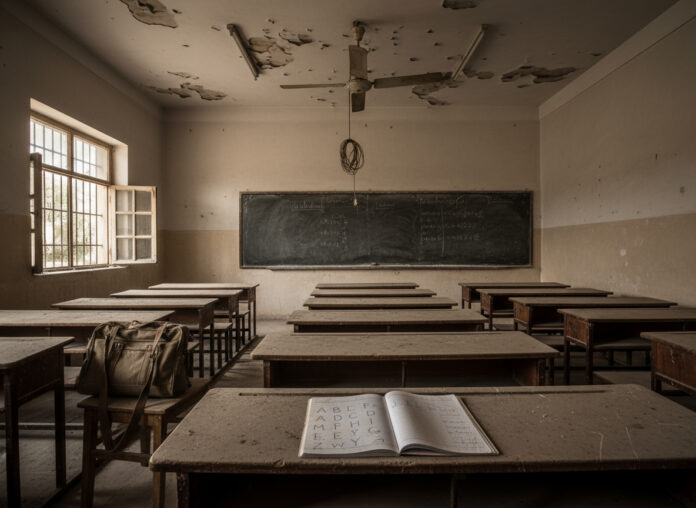
After banning girls from schools, the only remaining hope was private educational courses. But now, the Taliban have shut those down too. Girls in Paktia are no longer allowed to attend any form of educational center. These restrictions have reached their peak, casting a dark shadow over the future of the people.
More than a dozen young girls in my own extended family have been deprived of education and are now in a deeply concerning situation. But this issue is not limited to Paktia—it affects the entire country. I hope the international community will take this crisis seriously and act swiftly.